
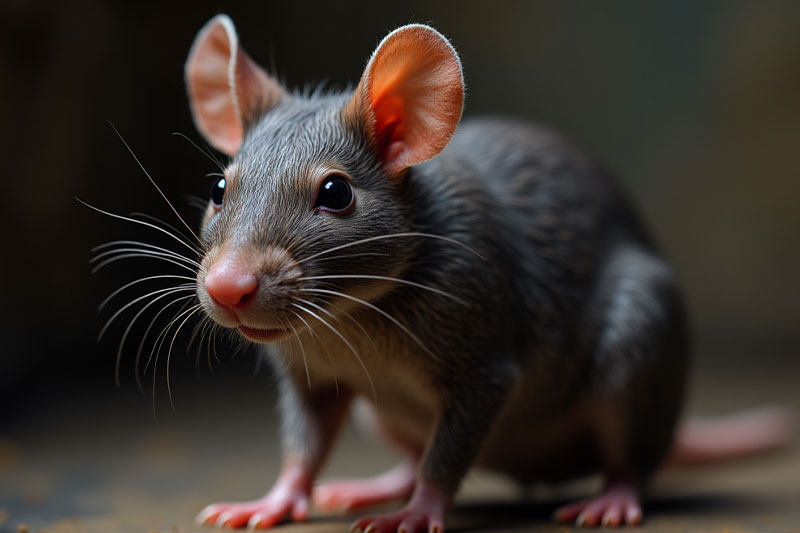
Fast, Discreet & Eco-Friendly Rodent Removal
At Pestocatch, we provide expert rat control services across London, helping homes and businesses eliminate rodent problems quickly, safely, and humanely. Rodents carry diseases, damage property, and create serious hygiene risks. Our professional team uses advanced detection and eco-friendly treatment solutions to remove infestations and keep them from coming back.
Rats can be dangerous creatures which, like flies, can spread close to a dozen diseases including the plague. This is in addition to the damage they can do to your home’s insulation, timber and electrical system. In short, rats are bad news to have around the house.
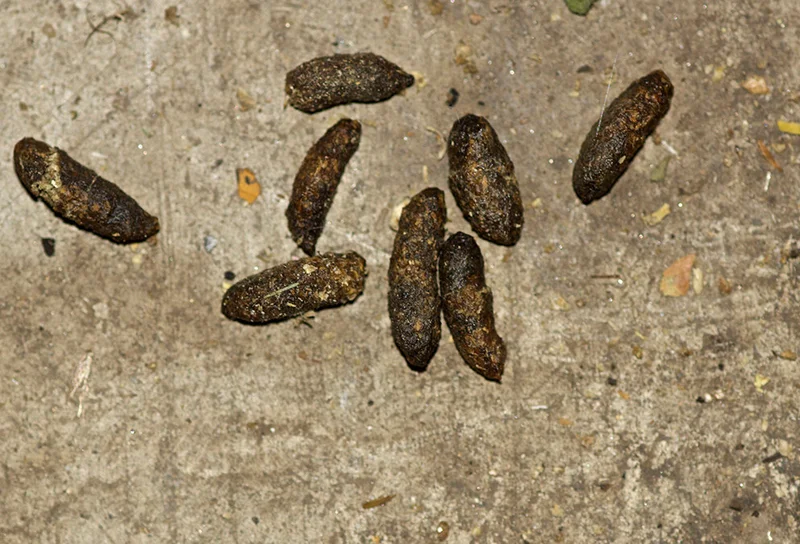
Rats can be found everywhere and everywhere they are, health risks are present. From diseases to food contamination, contact with a wild rat is dangerous at best so if you find them near or in your home, call us immediately so we can assess and control the situation. To know if you might have a rat problem in your home look for:
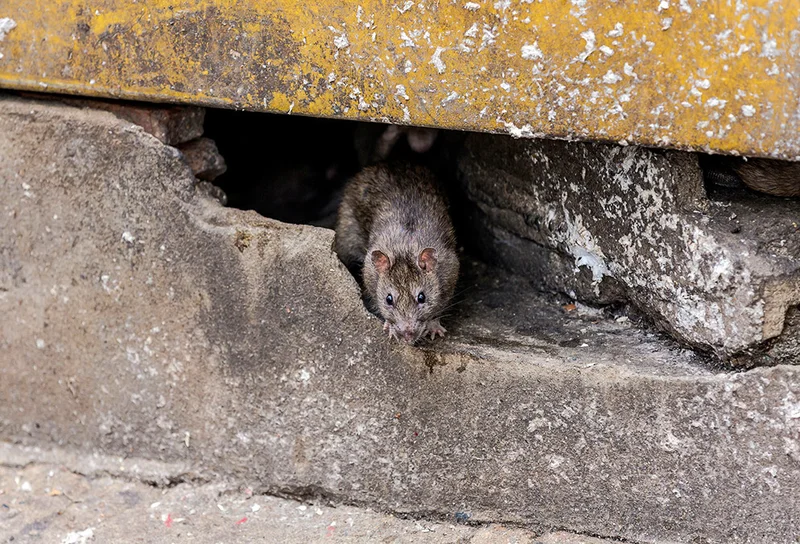
A widespread pest, highly adaptable, a great opportunist and will live anywhere, wherever food and shelter are available. If you live in a town, you are probably never more than 15 metres from a rat. Twenty percent of the world’s food supply is either destroyed or eaten by rats.
Brown rats arrived in London 1730 from the Baltic, having originated in China and soon displaced the Black Rat by eating their young. They multiply at an alarming rate and live in large colonies. If left unchecked these colonies could number hundreds, despite a very high mortality rate.
Brown rats are mainly nocturnal and are good swimmers. They will run away from danger, but may attack in groups if cornered. Packs of rats have been known to attack rabbits, large birds or even fish. Rats identify each other by smell and will also fight off rival packs or their members. Their main predators are cats, owls and weasels and of course man.
Origin: Introduced.
Size: Usually 21 cm plus 18 cm tail, but vary between 32 and 58 cm including tail.
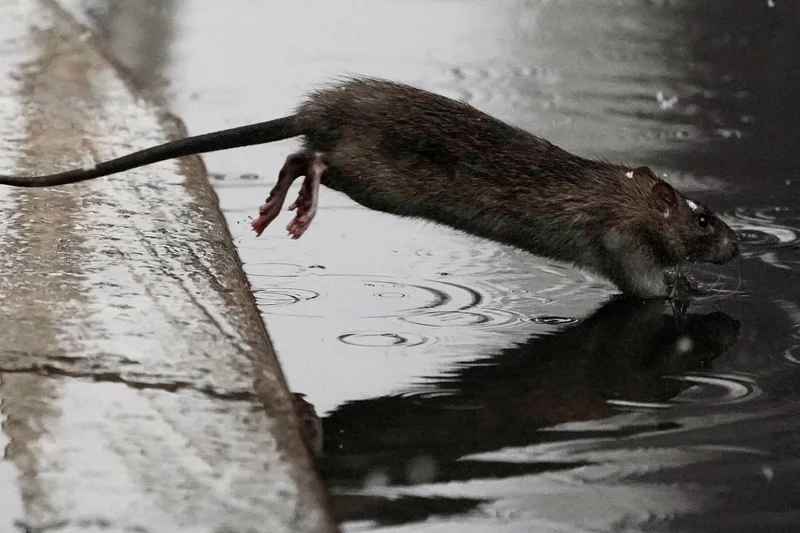
Description: Fine, soft fur and scaly, fleshy tail. Has a repulsive smell.Habitat:Inhabits open countryside and towns, barns, warehouses, canal banks and sewers, anywhere there is a plentiful food source, typically alongside man.
Young: Litters of 1 – 20 every 6 weeks, all the year. Females breed at 3 months. Gestation is 21 days.
Nest: In chambers within their burrows lined with dry grass or other available materials.
Diet: Omnivorous. Can survive on almost any food, but prefers a cereal diet with some animal matter. Food is not stored but is taken to a safe place to be eaten.
Population: Estimated to be about 10 million.
The black rat, Rattus rattus, is one of the most serious household rodent pests.
It is also known as roof rat. It has a black or dark brown body with a pale, sometimes white underside. The black rats are omnivorous with a preference for fruit and vegetables.
The black rat can be a threat to human health. This species has been identified as a potential carrier of diseases that can affect humans.
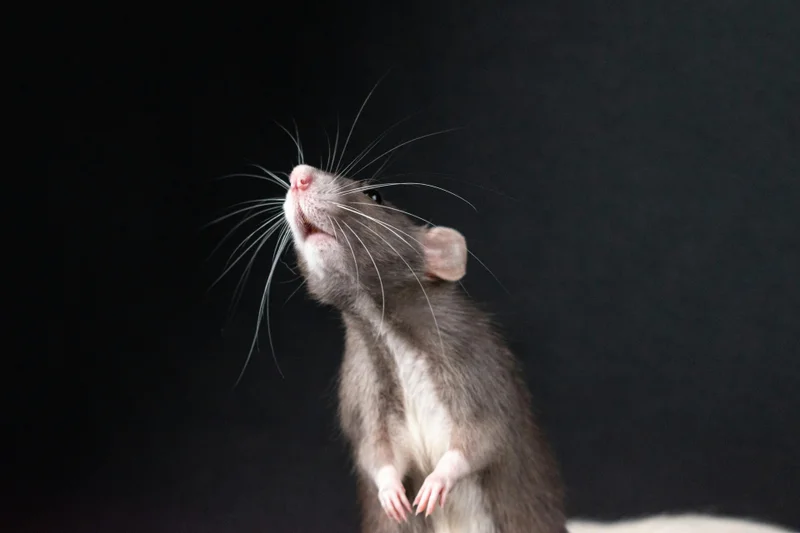
Whether it’s a single mouse or a full-scale rat infestation, we offer customised rodent control for domestic and commercial properties. From initial surveys to long-term proofing, we’ve got every step covered.
Properties of all sizes: homes, restaurants, offices, warehouses, etc.
Fast-response callouts, including evenings and weekends
Discreet service to maintain your privacy
Certified technicians with in-depth knowledge of London rodent behaviour and control techniques.
We detect nesting areas, block entry points, and install deterrents to stop rodents from returning.
We offer tailored strategies to ensure your property stays rodent-free all year round.
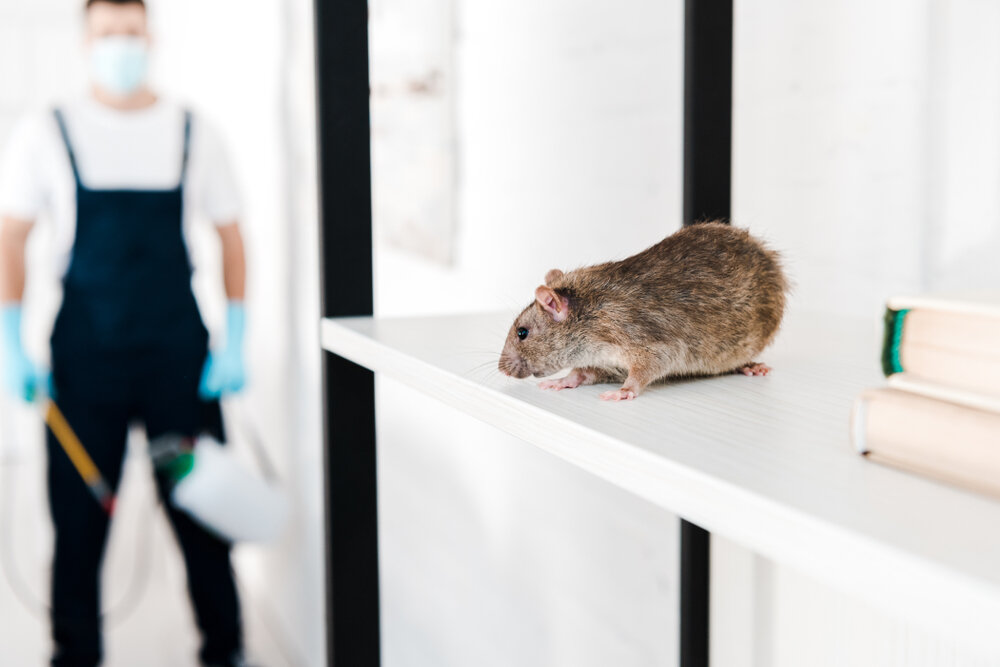
At Pestocatch, we protect your health and the environment. Our rodent control methods include:
Humane traps and baiting stations
Non-toxic deterrents and proofing materials
Minimal chemical usage, where necessary
Our goal is not just removal—but safe and sustainable prevention, keeping rodents out without harming the environment or endangering pets and children.
Site Survey & Risk Assessment – Identify rodent type, activity level, and entry points
Treatment Plan – Bespoke approach using baiting, trapping, and proofing
Rodent Removal – Safe elimination with follow-up visits as needed
Prevention & Monitoring – Long-term protection strategies
We provide pest control plans designed to fit your unique needs.
Using sustainable methods to protect your home environment.
Common signs include droppings, gnaw marks, scratching noises, and sightings of live rodents.
Yes. All our products and methods are selected to be safe for pets and children.
Absolutely. We seal access points and provide practical advice to keep rodents out.
Yes. We offer same-day and emergency callouts in most London areas.
Don’t let rats take over your kitchen, home, or workplace. Call Pestocatch now for safe, discreet, and effective Rat control services anywhere in London.
📞
020 3633 2044
📍 Trusted ant control specialists serving homes and businesses nationwide

we are dedicated to creating safe, pest-free environments for homes and businesses alike. With years of experience in the pest control industry.
we pride ourselves on delivering effective, eco-friendly solutions tailored to your needs.
WhatsApp us